Skip to content
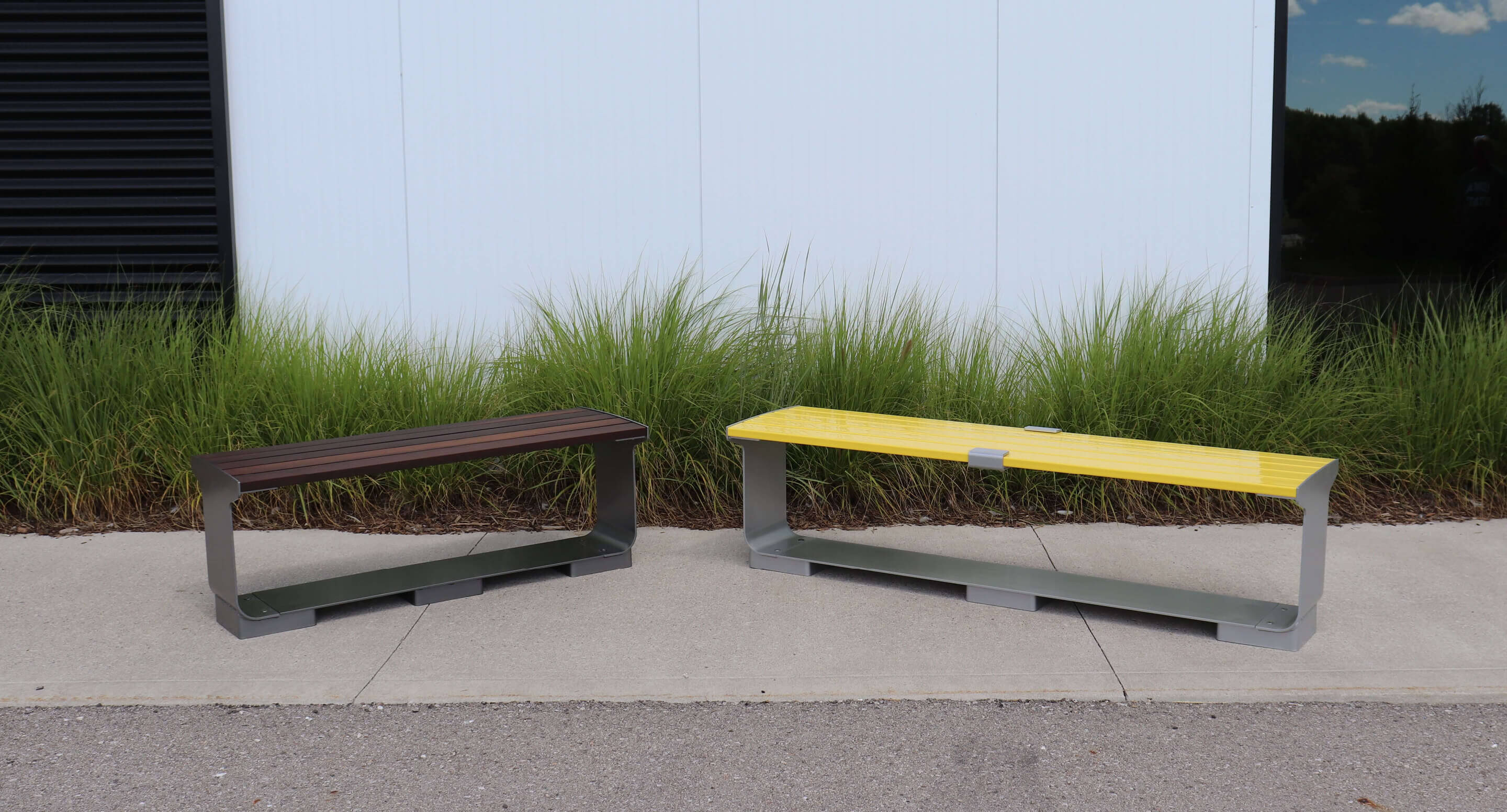
Two modern metal benches, one brown and one yellow, are placed on a sidewalk in front of tall green grass and a white wall—perfect seating for outdoor areas.Two modern metal benches, one brown and one yellow, are placed on a sidewalk in front of tall green grass and a white wall—perfect seating for outdoor areas.

Wooden vs. Metal Benches for High-Use Outdoor Areas

Back to Benches
Jun 25, 2026

Are wooden or metal benches better for high-use outdoor areas?

Start with a detail most product pages skip: nearly every commercial outdoor bench is built on a metal frame. The legs, brackets, and armrests are steel or cast aluminum because that is what carries the load and survives the weather. So when a specifier weighs a “wooden bench” against a “metal bench,” the real decision is happening at the seat and back — wood slats or metal — on a frame that is metal either way.

Wood seating brings warmth, a comfortable surface temperature year-round, and a softer presence. Metal seating brings maximum durability and the lowest maintenance. For high-use outdoor areas, the better choice depends on the site’s traffic, climate, maintenance plan, and the look the project is reaching for — not on the frame, which does the structural work regardless.
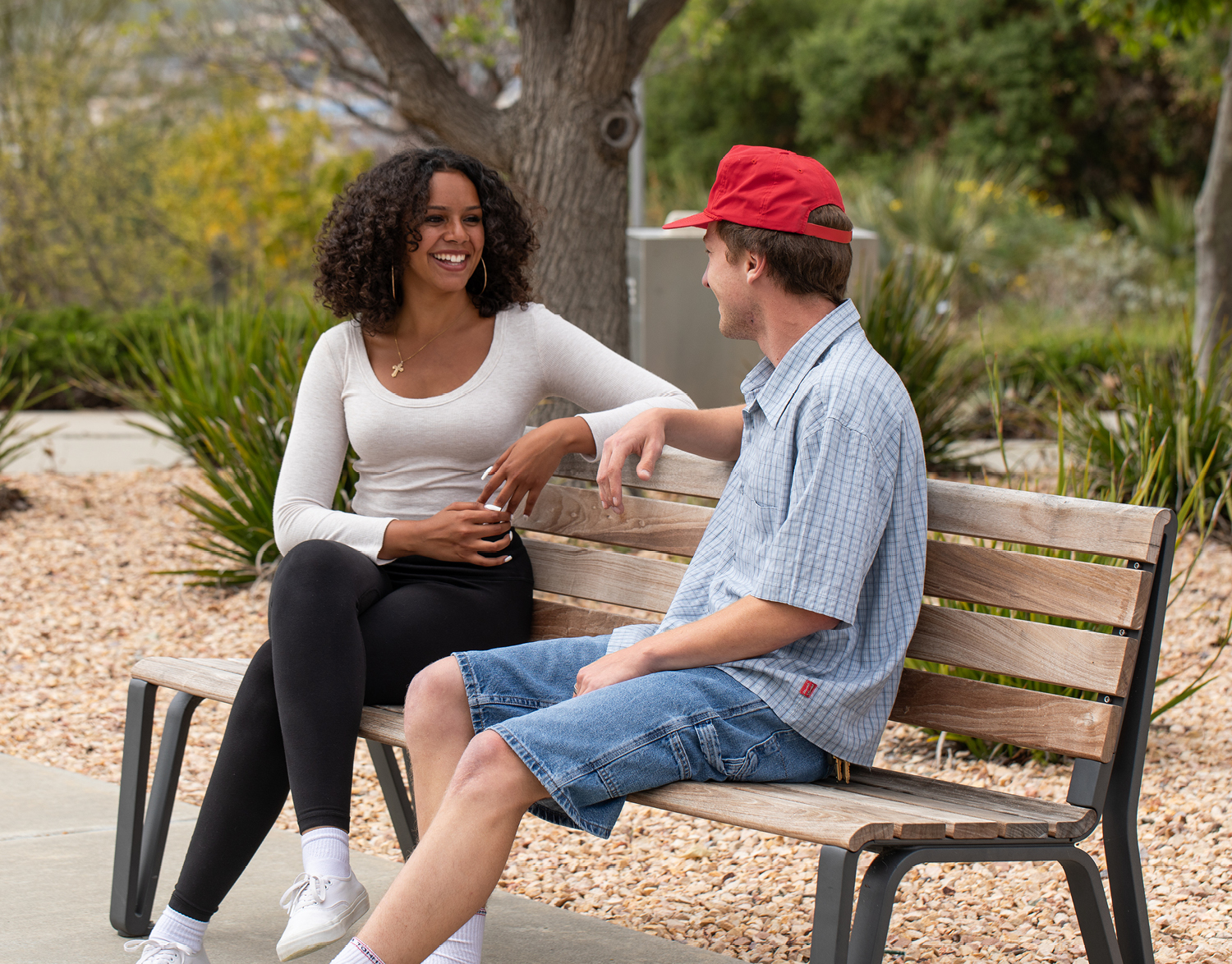
People enjoying conversation while sitting on a Maglin Iconic Backed Bench

When is a wooden bench the right choice?

A wooden bench earns its place through comfort and character. Wood stays close to a comfortable temperature in both summer sun and winter cold, where bare metal can run hot or cold, and it gives a streetscape, campus, or park a natural, human quality that metal alone rarely matches.

The trade-off is upkeep. A wood seat asks for periodic refinishing to hold its color, and it shows scratches and wear more readily in the busiest spots. Specified well, though, it ages with grace — and because the slats sit on a metal frame, an individual board can be replaced without retiring the whole bench. Maglin’s wood benches use thermally modified ash and oak as standard — woods treated for greater dimensional stability and weather resistance — while Douglas Fir is offered on the Blox and Floe models, where it pairs with steel ends.

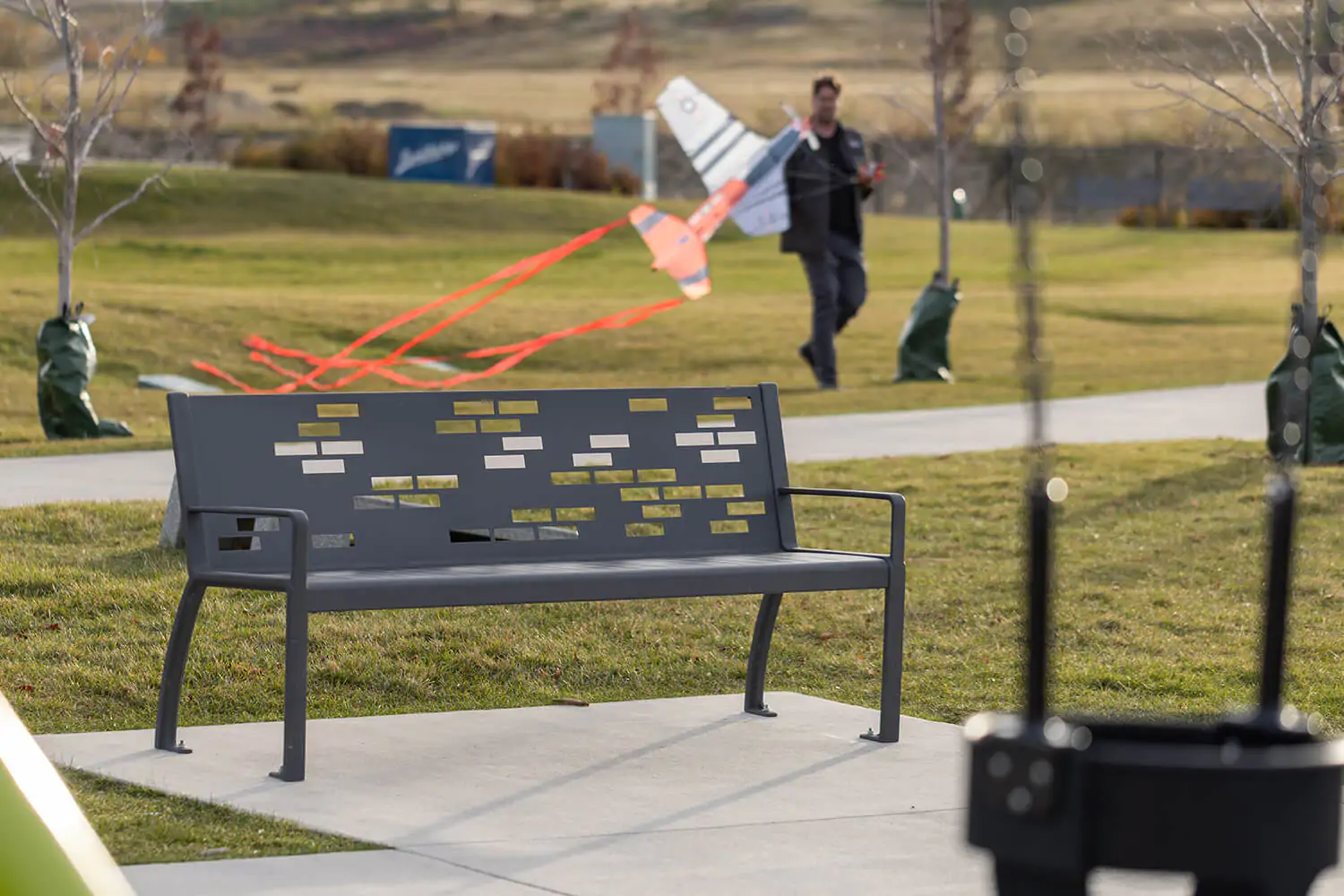
A gray metal park bench sits on a sidewalk with grass and young trees nearby; a person in the background carries a large model airplane.

Which metal bench is best for high-use or rainy climates?

A metal bench — steel slats or paneled seat and back, powder-coated — is the endurance choice, and in a wet or coastal climate, powder-coated cast aluminum is often the best pick: aluminum does not rust, and the finish seals out moisture. Steel offers the most strength and the best resistance to impact and vandalism; cast aluminum resists corrosion at a lighter weight. The powder-coat finish defends against rust, UV fade, and graffiti, and shrugs off the scratching that heavy foot traffic produces.

Maintenance is minimal: routine cleaning, the occasional finish touch-up, and little else. The honest caveat is surface temperature — an all-metal seat can grow hot in direct sun or cold in winter — which thoughtful finish color, shading, and placement help manage. For transit hubs, busy plazas, and unsupervised public spaces, a metal seat is a safe long-term specification, and many Maglin models add a skate-deterrent option for the most demanding sites.

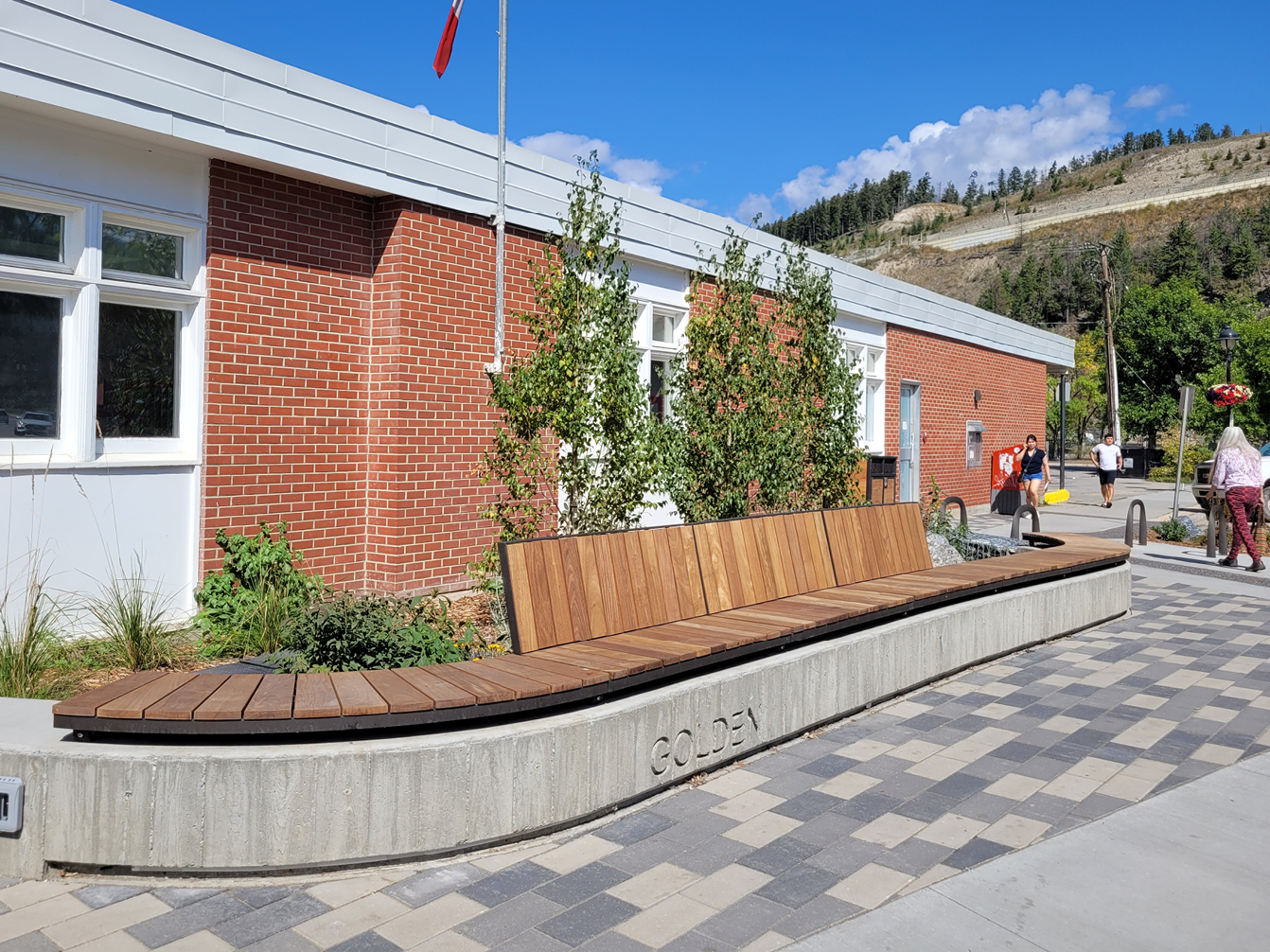
A modern wooden bench labeled "GOLDEN" sits outside a red-brick building with large windows, enhancing outdoor areas where people stroll nearby under a blue sky.

Backed or backless? Matching comfort to how the space is used

In a high-use outdoor area, the seat material is only half the comfort equation — the other half is whether the bench has a back and armrests. A backed bench with armrests invites people to linger, supports sitting and standing, and serves transit platforms, plazas, and gathering spots where dwell time is the point. A backless bench reads cleaner, seats people from either side, and suits high-throughput circulation routes where people pause rather than settle.

This is independent of the wood-versus-metal choice: Maglin offers backed and backless versions across nearly the entire bench line, in a variety of seat materials. So a project can pair the right seat material with the right seating posture — a backed thermally modified ash bench for a campus quad, say, or a backless steel bench for a busy transit concourse.

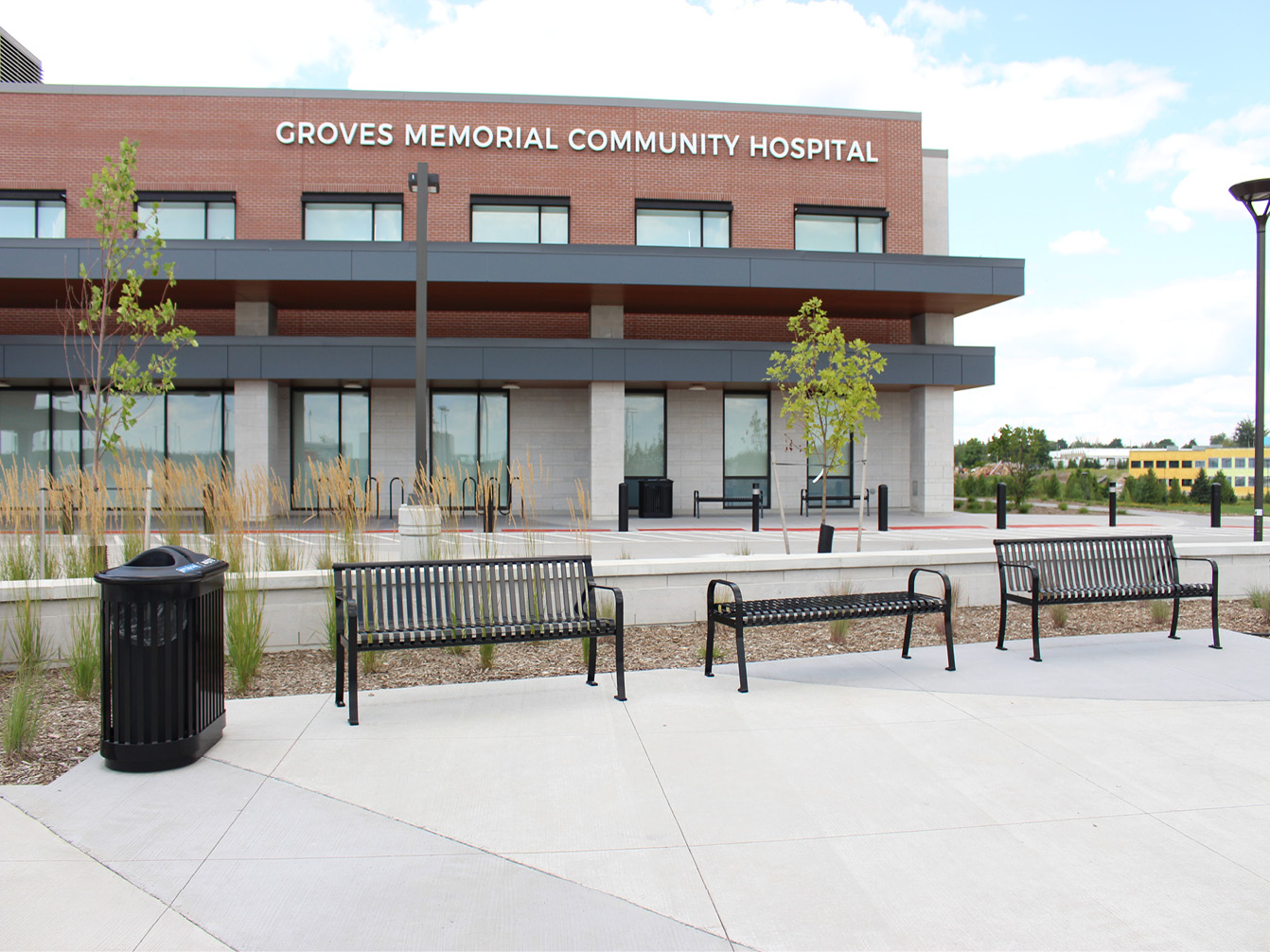
Exterior view of Groves Memorial Community Hospital with outdoor areas featuring metal benches, small trees, and a trash bin in the foreground.

How do you choose the right commercial outdoor bench for high-traffic areas?

Specifying a commercial outdoor bench for a high-use site comes down to matching the seat material to the conditions, since the frame is metal either way. Choose metal seating where durability and low maintenance matter most and the bench will go largely unsupervised. Choose wood seating where comfort, warmth, and a natural look lead the brief and a refinishing plan is in place. Either way, accessibility holds steady: Maglin benches follow USAB recommendations, including a 17″–19″ seat height and the option of armrests and full back support to aid sitting and standing.

The frame also opens up how the bench meets the site. Maglin benches come in modular, surface-mount, direct-burial, and cantilever configurations, backed or backless, with or without armrests — so the same design can suit a plaza, a transit platform, or a quiet garden path.

The takeaway for a high-use outdoor area is a freeing one: you are not choosing between a wooden bench and a metal bench so much as choosing the seat that fits the place, on a frame already built to endure. Lead with the conditions — traffic, climate, the look the project is after — and the right bench tends to choose itself.

The right bench starts with the seat

Wood for warmth, metal for endurance — on a frame built to last either way. Configure the seat material, finish, length, and mounting, and see your pricing online.

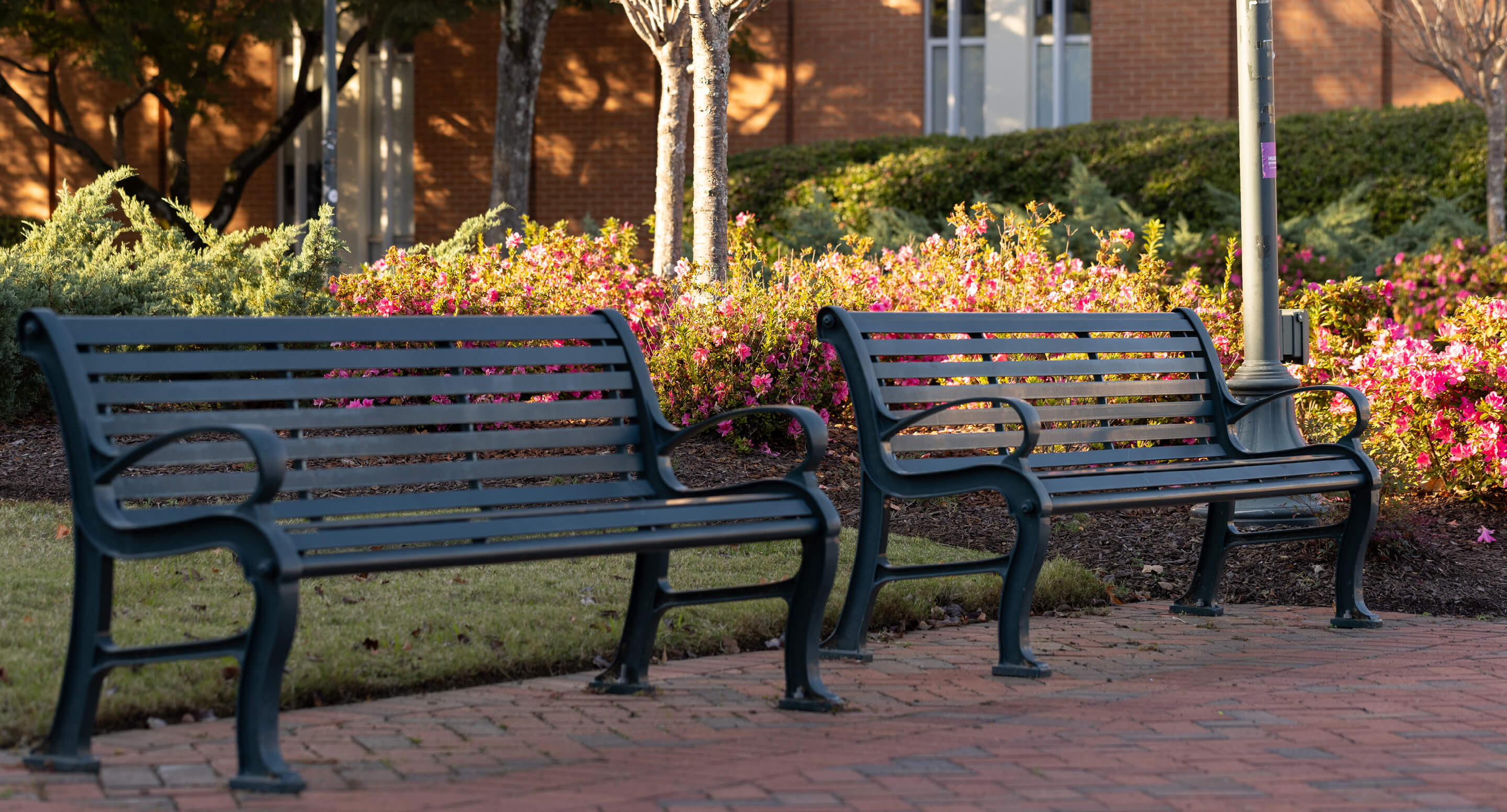
Two empty green benches sit on a brick pathway in front of blooming pink flowers and shrubs, with trees and a brick building in the background.